How to Get a Design Job at Ueno

Published
Ueno is a full-service agency with offices in San Francisco, New York, LA and Reykjavík. Yes – Iceland. You've probably seen some of their digital work for clients like Slack, ESPN and Uber.
Ueno's work is excellent, but what I most love is their personality as an agency. Read their blog or check out their interview page and you can tell they have a sense of humor. For me, that's an important factor in choosing where to work. It's not just about the "culture," which every agency claims to have, but more about the way they view work and life. Read our interview with Haraldur, Ueno's founder, and you'll see what I mean. Here he gives us his honest advice for getting a design job at Ueno.
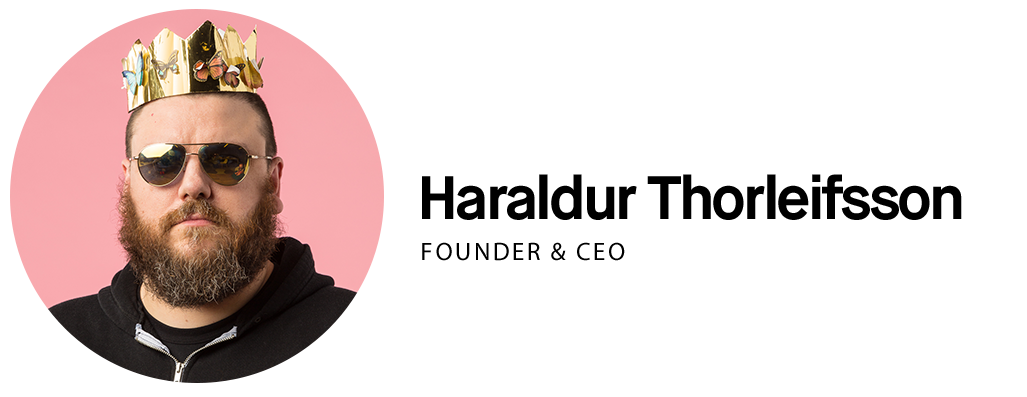
Tell us a little about yourself and what you do at Ueno.
Hey! My friends call me Halli but you can call me Haraldur Thorleifsson. I’m the founder of Ueno.
I’m also the CEO so that means I am responsible for a lot of different things. But luckily we have really amazing people, so I don’t do much anymore. Mostly I just take credit for everything.
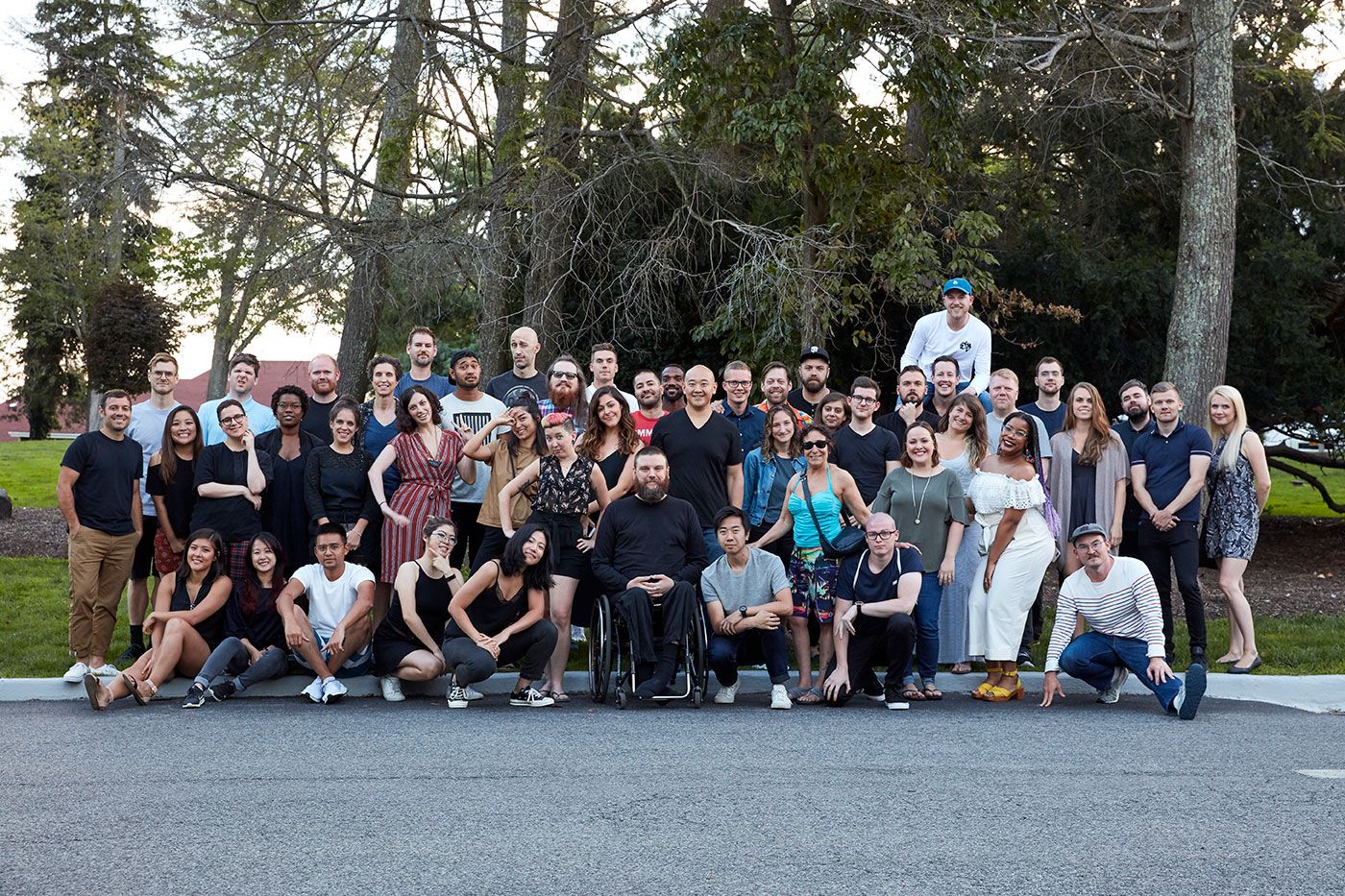
Looking at your current design team, how many of them came through internal referrals or headhunting, and how many came through the traditional application process?
Of the top of my head with no numbers to back this up, I’d say exactly 49% came from referrals and 51% came from traditional applications.
We get dozens of applications a week for our design positions so a lot of great leads come from there. And then we have people internally that know a lot of smart and kind people that we will try to snag.

Say we decide to reach out with a cold email. What kind of message gets a reply? Any secrets for us? Or should we just fill out the careers form?
Cold emails are not a great way to apply. They might get missed. The very best way to apply is through our site. You can see all open roles on www.ueno.careers
If you apply through the site, the application will be seen by all the right people and it will go through a process.
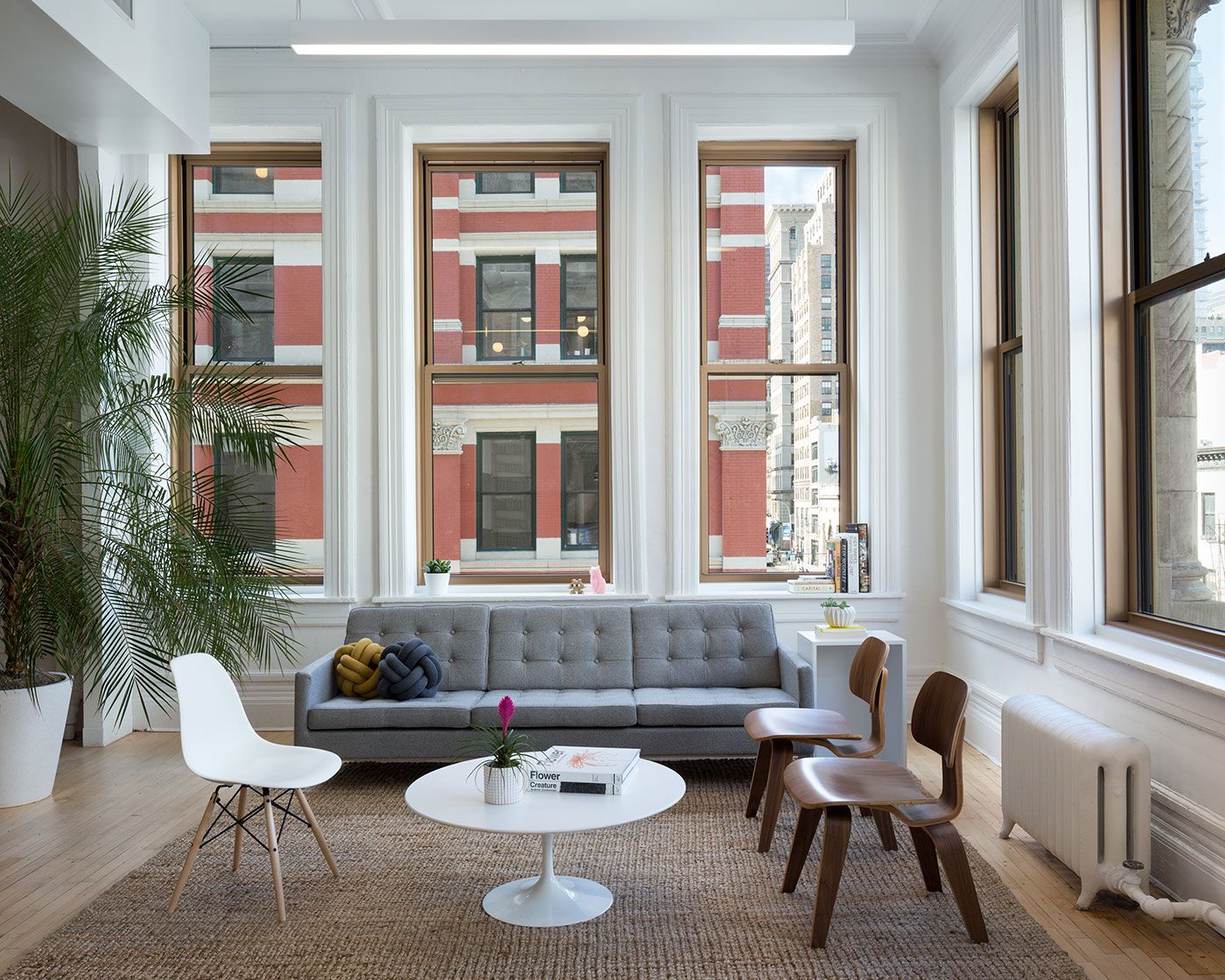
How important is a complete portfolio? Can I get away with not having a portfolio when interviewing at Ueno?
For a design role, you will most likely need some sort of portfolio or a very strong recommendation from someone we trust for us to have an initial interview. We are still a small company so we unfortunately can’t interview most of the people who apply, and we need to have some kind of indication that you would be a good addition to our teams.
Your portfolio can be in whatever form works for you, though. It doesn’t need to be a super fancy website. It can be a PDF or a Google doc or whatever you have that shows us some of the work you’ve done in the past.
Tell us one thing you never want to see again on a portfolio. Anything you wish you saw more?
I wish more portfolios had personality. I think it’s perfectly OK to start with a joke, or something that tells me that this person has a unique perspective.
On a good/bad day I look at maybe 20-30 portfolios. Most of the time for maybe five seconds before I decide if it’s worth exploring further. So my first recommendation would be to make sure you grab the audience straight away. Show me something great and/or unexpected. Ideally both.
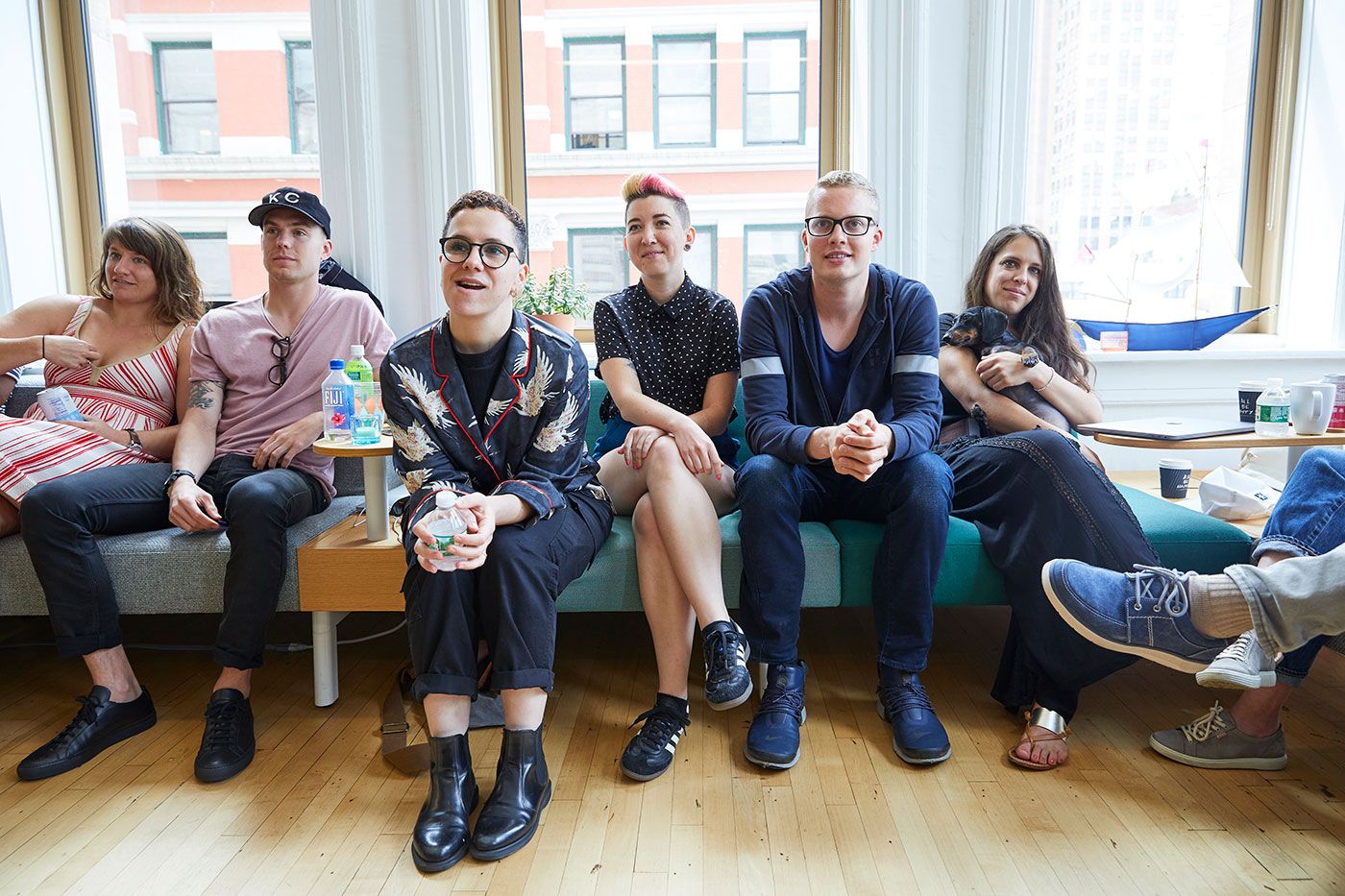
Besides having a portfolio, do you like the idea of designers being invested in other interests? For example being active bloggers or otherwise outspoken in their community?
We have a word in Icelandic. It’s fagidjót. It basically means that someone has super deep knowledge of one thing but knows nothing about anything else.
Design is about solving problems and to be good at solving problems, you need to know a bit about a lot of different types of things.
I don’t care if people are bloggers or outspoken in their community. I do care that they are curious about the world around them. They may have chosen design as a way to express that curiosity, but it should just be one of the ways they are curious.
Say I make the first pass and get invited to an interview. Can you describe the interview process (the phases, design exercises, etc.) as briefly as possible? Most importantly – will it be as fun as your brilliant interview page? Should we dress as a hot dog?
We don’t do design exercises. I don’t think they tell you much and they are extremely uncomfortable for both the designer and the people running the interview.
We also don’t look for culture fits; we’d rather find people that can add something to our culture. People that can teach us something new about the world.
We have strong culture values that we try and gauge for, though. They are deliberately fairly open and should encourage our teams to hire different types of people — while still making sure we have a common foundation built on caring about other people, never being satisfied with good enough, etc.
Typically applicants will meet with 3-6 of our people and each one of those interviews will be based around a specific culture value. I’m most often the last person in the interview process.
However, the best way to really see if people are good to work with is to actually work with them. So when possible, we have people come in to work with us for 2-8 weeks, depending on what works for them. We obviously pay them for that time; we put them on real projects and we treat them as full members of our teams.
After that, we have a really good understanding of that person and they also understand us. And if everyone falls in love, then we get married.
So far, nobody has shown up in a hot dog suit. I’m still waiting for that to happen. I don’t want to promise anything but I absolutely promise that would lead to a guaranteed job offer.

What are the secondary skills you look for in a designer, besides common soft skills? For example: Do you prefer coding ability over photography skills? Writing skills over coding?
I personally don’t have a preference. The main thing is, like I mentioned above, that you are curious about many different things, and that you are willing and able to keep growing and experimenting. It’s up to you to choose in what order you want to keep adding those skills.
Ueno has a distinct personality and it’s clear culture is important to you as a company. Would you hire someone who is a cultural fit over someone who has more industry experience and hard skills?
When I started Ueno, I was only interested in the hard skills. I only wanted to hire really amazing designers and I didn’t really think that much about their personalities.
But as the company grew, I quickly realized that the culture is what will make us succeed or fail.
That does not mean that we will hire a nice person if they aren’t good designers, but we will absolutely pass on an amazing designer if they are not good to work with.
What are the biggest mistakes you see designers make when applying for a job at Ueno? Are there any specific things that keep bothering you? Please complain to us! (:
I like punks that show up on time. Meaning, I like people who have a different way of looking at the world but you can rely on where it matters.
I don’t think that answers your question, but I just wanted to say that.
Do you have a favorite story of an application that really stuck with you? Something that stood out and got passed around between your team?
If people are being guarded, I will often try to nudge them a little bit to see how they respond during interviews. So the stories that get passed around about our interviews are about me saying or doing something weird.
I don’t remember them but I’m sure they are hilarious because I can be very funny and great.
I imagine having locations in San Francisco, LA, New York and Reykjavík opens you up to a ton of design talent. Do we have to live in / move to one of those cities to get a job at Ueno, or do you hire remote designers as well? And do you ever sponsor visas for international hires?
We only hire people who are willing to work full time on location at one of our offices. Our work revolves around very close collaboration with our clients and our teams, so being on site is very important.
We have multiple people on visas that we have sponsored, but right now we are trying to limit those a bit. Partly because it is extremely expensive and complicated to manage, but more importantly because it’s an unpredictable process, and putting people through that long emotional journey with no guaranteed outcome is very hard. You can read a bit more about that here if you are interested.
How do you think Ueno is different when hiring new talent compared to other agencies or design studios?
We’ve tried to not hire a lot of agency people. I don’t want to recreate a typical agency. We of course have some strong people with agency backgrounds, but we don’t want that to be a requirement.
We’ve made some very adventurous hires, taken chances on people that on paper maybe didn’t make a lot of sense to hire. Some of them have turned out to be our most valuable people.

We saw Ueno is hiring a Design Lead and Senior Designer for your NYC and SF offices right now, and a Creative Director and Design Lead in Reykjavík. Any parting advice for someone who’s reading this and ready to apply? Lay it on us!
I remember agonizing about whether I was good enough to apply for places I admired when I was younger. I wanted everything to be perfect, which it never is.
Don’t wait, just do it. Worst case scenario is that nothing will happen.
___
Thank so much, Haraldur! This is one of the more insightful and entertaining interviews in the series so far. Readers, if you're interested in applying for a design job at Ueno, here are some key takeaways:
1. Show some personality in your portfolio. Do something unexpected.
Haraldur confirmed something we've voiced in about every piece of portfolio advice we've given: you have about five seconds to make an impression before he moves on to a different portfolio. That's shorter than the classic "elevator pitch." He suggests leading with a joke or writing something that grabs his attention immediately. Make those first few seconds count.
2. Expand your interests and skills. Be curious.
Ueno isn't interested in hiring a designer with knowledge in only one area. They want designers with diverse interests and a sense of curiosity about the world, who want to experiment and grow. Show Ueno that you have dimension and range. You can do this through your portfolio and in your interview.
3. Don't overthink it. Just go for it.
Ueno's not looking for the typical "agency person." They're willing to take chances on the people who, in Haraldur's words, "show up on time." If you think that might be you, apply and see what happens.
Catch up on our How to Get a Job at X series for more inside advice from top companies like Disney, Unsplash, Spotify, Pentagram and more. And if you want to hear from a specific company, let me know on Twitter.

© 2021 House of van Schneider LLC
All rights reserved.
MORE ABOUT TVS
About DESK
Curated mixtapes
DESK partnerships
BECOME A FRIEND
Twitter
Dribbble
Instagram