Design in Taiwan 🇹🇼 featuring HOUTH

Published
Our explorations of design communities around the world have led us everywhere from Brazil to South Africa to Pakistan to China. Now we're looking at design in Taiwan with the lovely team at HOUTH.
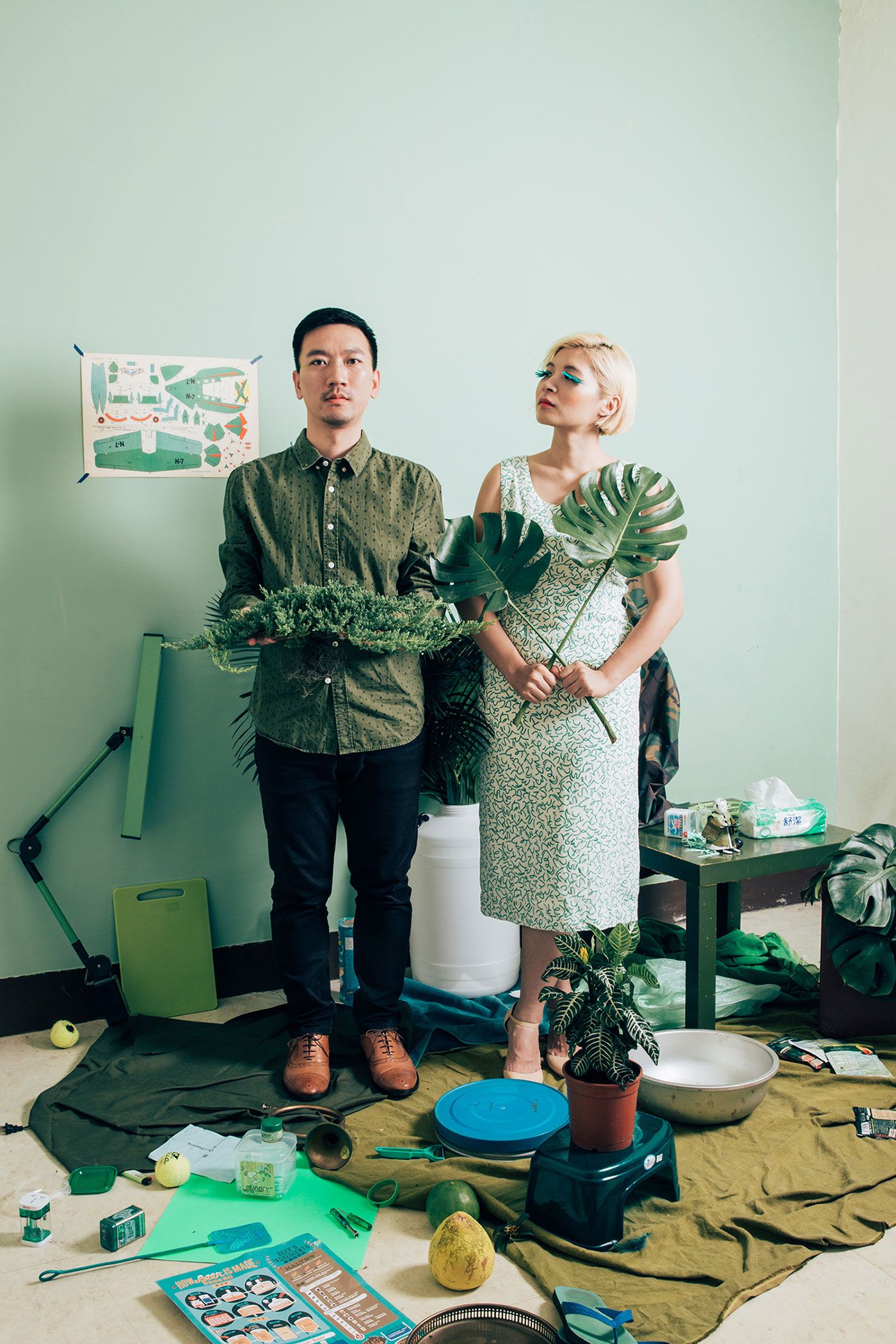
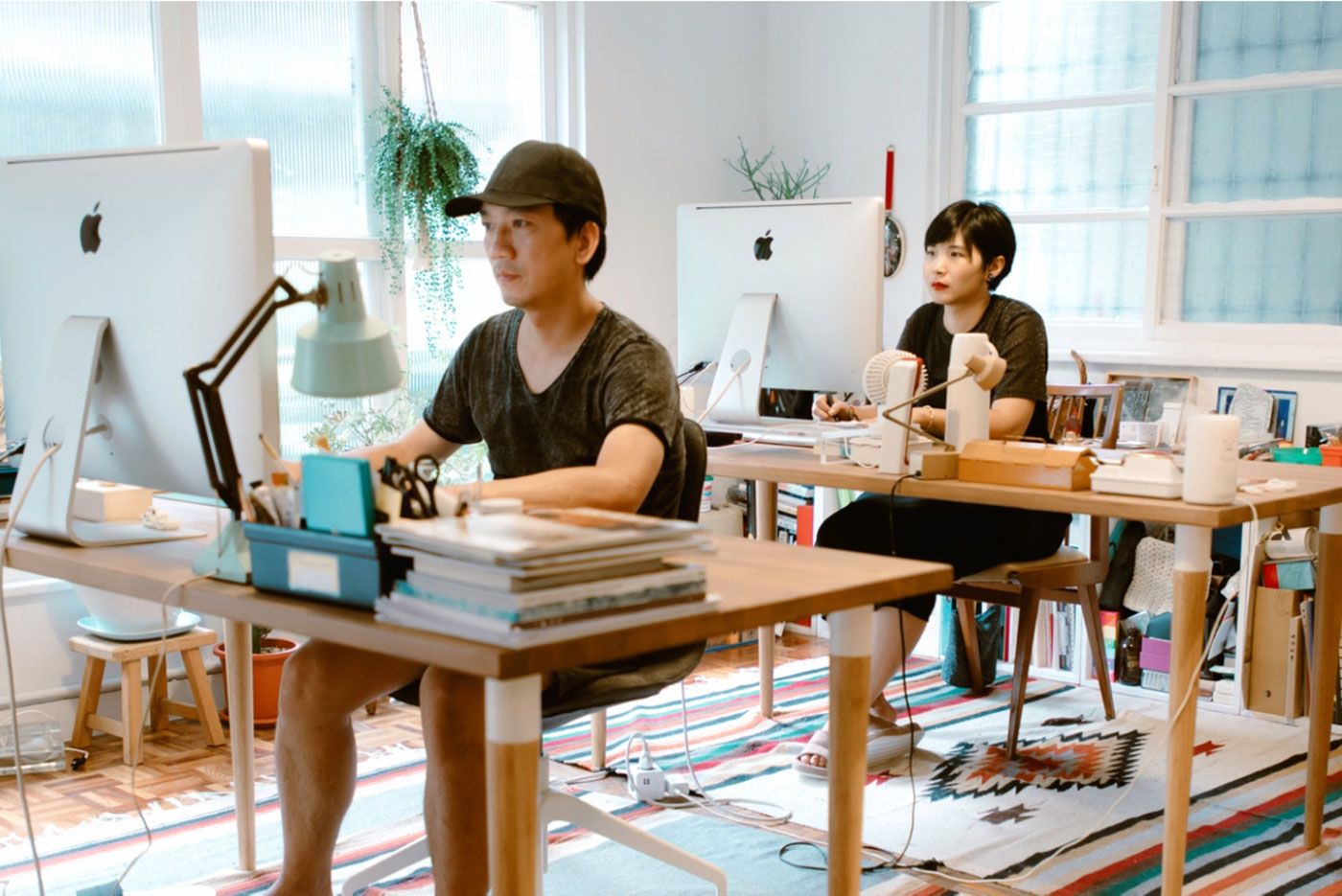
HOUTH, a creative studio based in Taipei, is the work of co-founders Ho Wan Chun and Huang Chi Teng. They describe themselves as designers who "appreciate simple, pure things and interpret this hilarious world through a unique perspective." In a time when we as designers take ourselves and our buzzwords very seriously, I appreciate HOUTH's lighthearted outlook.
Here Ho and Hans tell us about the creative landscape in high-tech Taiwan, the country's "mix and match" philosophy and why we should be talking less about globalization and more about good design.
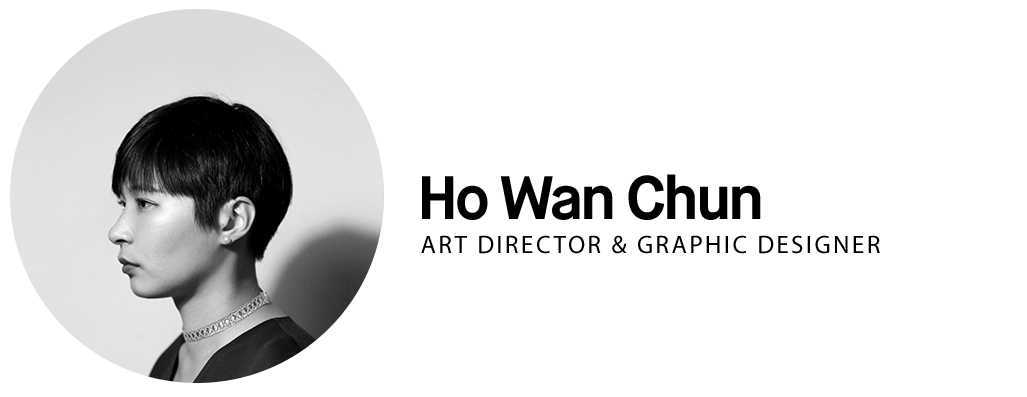
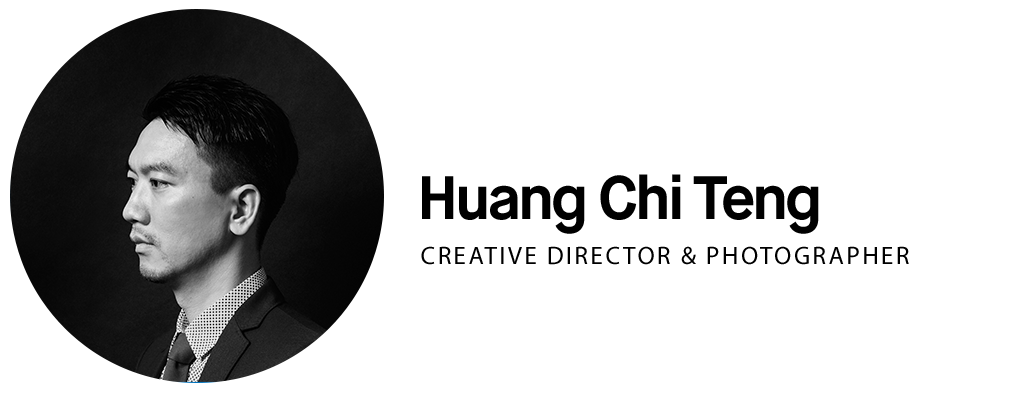
Hey Hans and Ho, excited to have you in the series. First, let’s talk about your studio. Who is the team behind HOUTH and why did you decide to open a graphic design studio?
Ho Wan Chun: Both of us are co-founders of HOUTH. I have been working as a designer in design studios and creative companies for over five years. Everything was uncertain during that time, and opening my own design studio was always only a dream for me. Luckily, I got the chance to visit some cities in Germany in 2014. That was my first time to Europe. What I saw completely changed my mind, especially in Berlin. After the trip, I decided to open my own studio with Hans (Huang Chi Teng).
Huang Chi Teng: Before we started HOUTH, I had been working in different fields like publishing, marketing, event planning, project management etc., but I always liked to read design/creative-related news. When Ho mention opening a studio with me during my mid-thirties, I knew I needed to do this or the rest of my life would probably be the same.
Ho Wan Chun: Because I love design and he loves photography, we think it’s a good and fresh mix to combine design and photography as a creative design studio.
Taipei was named World Design Capital in 2016. It seems like for Taiwan overall though, design is still growing. Can you tell us a bit about your design community? Is there a strong design presence beyond Taipei and do many platforms or events exist that help you connect with other designers?
Ho Wan Chun: Young designers are emerging all over Taiwan’s design community. In this information-overloaded age, young people can find design references from the internet easily. More and more designers are willing to do voluntary design proposals to get their opportunities or simply hope to make society or life better. Designers pay close attention to social design than before. It’s good for social development, but also more competitive to run a design business.
Huang Chi Teng: Except for some design joint exhibitions, there are not so many platforms or regular events for designers to hang out or connect with each other.
What are the job opportunities available for designers in Taiwan right now?
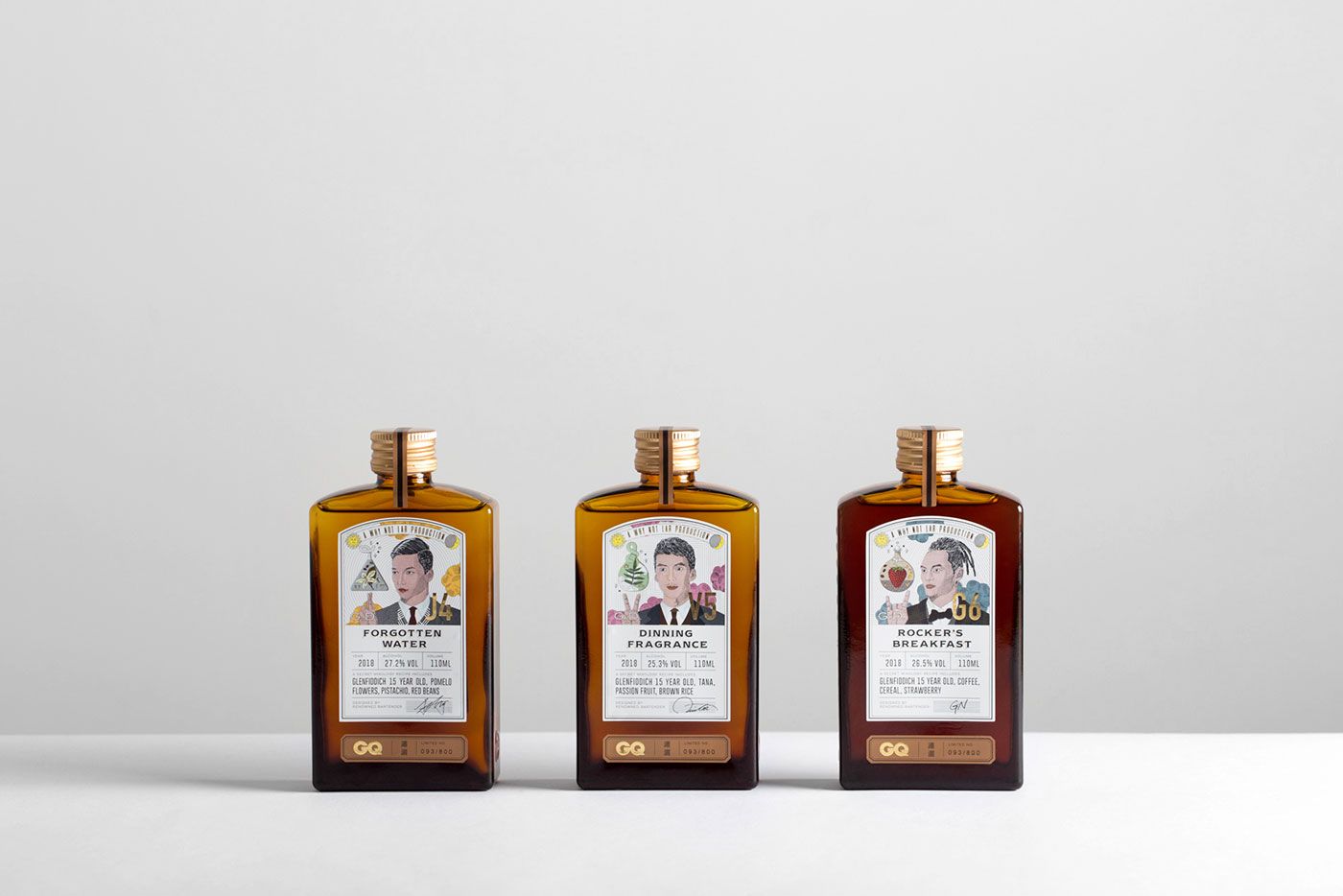
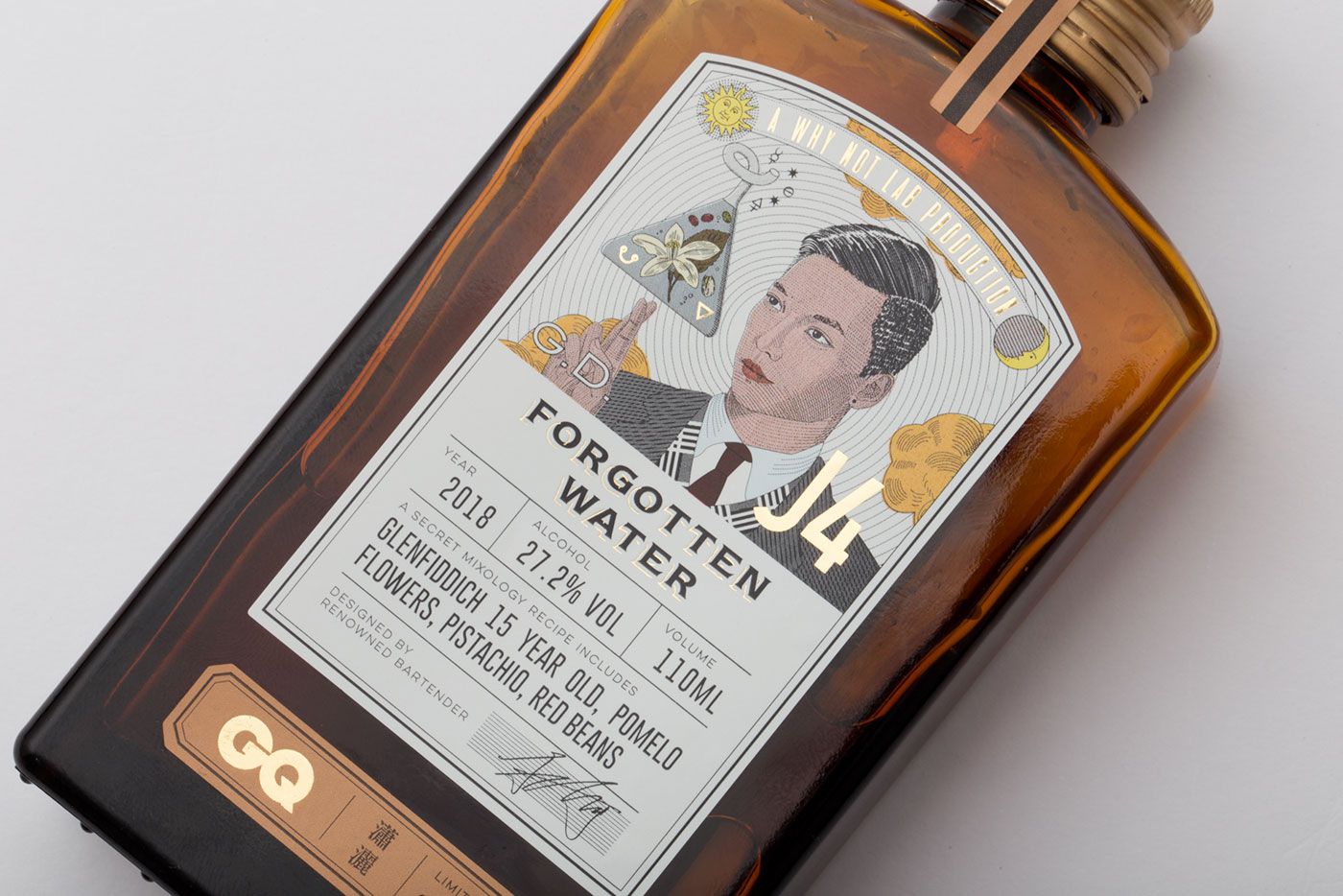
Ho Wan Chun: Compared to 10 years ago, the design opportunities now are bigger, better and more flexible. There are so many creative forms to express design from traditional graphic/layout design to product/packaging design to art installation to live events/performances and even interactive experiences and exhibitions.
Huang Chi Teng: More and more people are starting to appreciate design and understand how design can change the game. They would love to put more effort and money into the design field, and create more design-related job opportunities.
Taiwan is the 22nd-largest economy in the world, and its tech industry plays a key role in the global economy. How has this affected the design community? Are many designers working in the tech space?
Ho Wan Chun: We have the most advanced copyrights, skills and technology in the tech industry, but the main business model is still OEM, and other countries which provide cheaper rent and salaries will replace Taiwan sooner or later. It’s time for tech industry owners in Taiwan to seriously think about the next move, and we suggest putting more efforts on “Design Thinking” to change the business model from OEM to ODM.
Huang Chi Teng: Of course, there are many people work in the tech space, like programmers, web/UI designers, product designers, 3D modeling/rendering, AR/VR designers etc., and also some outsourcing projects from the tech industry, like logo, packaging and website design.
Taiwan has quite a complex culture given its history of colonization. How would you describe the design you see coming from Taiwan today? Do you notice a certain style or formative influences, or is it influenced by your culture in any way?
Ho Wan Chun: Mix and match is the way we describe design here! We have to deal with the conditions and limitations we have and solve the problems with the design method we propose. Taiwan is a small island but at the same time, she shows the possibilities of richness.
Huang Chi Teng: The charming feature of Taiwan is the people’s warm hospitality, and this not only affects the design but the whole lifestyle.
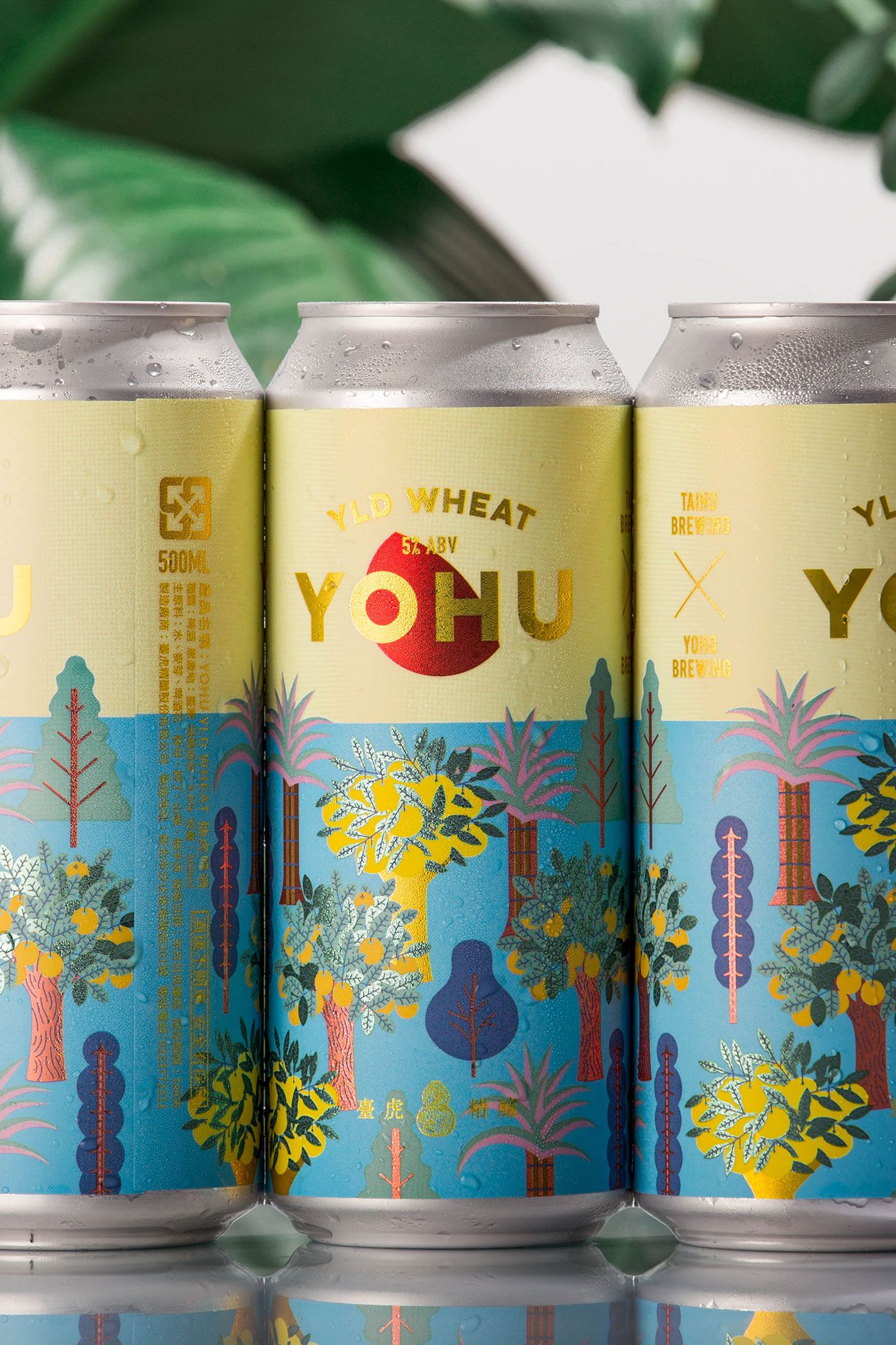
It seems like designers in many countries today are concerned about globalization/commercialization and its impact on their country’s design and culture. How do you see it for Taiwan?
Huang Chi Teng: Instead of arguing globalization or distinctive local culture, we should be asking more about “What is good design?” Instead of talking about the distinctive culture, we should dig more into what’s behind the local culture. How does it work with visual/design language? How can we make it better, more connected and sustainable?
"There are many design trends that pop up and disappear just like a flash in the pan."
Taiwan is one of the most highly educated countries in the world. What is design education like in the country, from your experience?
Ho Wan Chun: I went to art school and then majored in visual communication design in college. During that time, I learned art history, background knowledge and skills mostly from books. The education direction is more focused on building stable and good techniques or skills. We spend a lot of time refining skills, but don’t care enough about creative thinking or design concept.
But art education has changed. Teachers are teaching students more creatively and in a more fun way, like having workshops or work with exhibition planning. These fresh, active and diverse ways will inspire creative imagination in students.
What would you say are unique challenges for designers in your community right now?
Ho Wan Chun: First of all, the market in Taiwan is small and competitive, and people prefer to follow the trend. That means you will probably see many similar design styles or work during certain times.
Huang Chi Teng: Because of society’s fast consumption, there are many design trends that pop up and disappear just like a flash in the pan.
As the world is getting smaller with the help of the internet, working with international clients is very common. And of course, Taiwan already has a strong presence in the international marketplace. How is it for you?
Do you work with many international clients – and do businesses seek to work with local studios or international?
Huang Chi Teng: Except for the mostly local clients, we also have clients from Hong Kong, Japan, China. We also receive many inquiries from around the world.
International corporations or big companies here still prefer to work with international designers and studios, only because of the analyzed numbers and data. But there are more business and organizations start to support local designers and studios.
How much impact does your social media presence have on getting new clients and self-promotion in general? What works best for you?
Ho Wan Chun: Social networks like Facebook and Instagram works for us as a way of information sharing and self-promotion.
Huang Chi Teng: Design platforms like Behance do sometimes help us get new work and clients.
What does good design mean to you at HOUTH, and how do you see its role in your society? Do you think it can solve larger issues it faces?
Ho Wan Chun: Good design not only solves the problem, but also stands the test of time and makes it sustainable.
Good design is changing our society now. Take the Aestheticell textbook redesign project, for example. This project invites designers to redesign textbooks for elementary school students, not only visually but also functionally. The Big Issue Taiwan helps the homeless to make their living easier. The TFT (Teach for Taiwan) focuses on rural education in Taiwan. There are many young companies or organizations dedicating themselves to improving Taiwan’s culture and life through social design.
Do clients in Taiwan appreciate good design and understand what it takes?
Huang Chi Teng: We are very lucky! All the clients we’ve met understand the possibilities of the creativity. At the same time, they are willing to take the bold, unique and creative direction we suggest.
In your opinion, what are the top design studios from Taiwan that everyone should know?
Ho Wan Chun and Huang Chi Teng:
Lin Xiao Yi

Last question: How can all designers and design communities from other countries do a better job of communicating with each other? How can we become more engaged with Taiwan’s design community? Are there any blogs or specific magazines we can follow?
Ho Wan Chun and Huang Chi Teng:
We still don’t know how, but we hope there will be a system to support designers and help them become more engaged in the international design community in the future.
Social networking is probably the best way to engage with the Taiwanese design community, but most of the content is probably written in Mandarin. It’s a pity that we still don’t have a blog or magazine that helps us (especially graphic designers) build a design community that can connect internationally.
Thank you so much for sharing us your time and thoughts with us, Ho Wan Chun and Huang Chi Teng. I agree that designers could benefit profoundly from being more connected across countries and languages, and I hope we keep getting closer to that.
In the meantime, be sure to follow HOUTH's work and read our other interviews with design communities around the world – the talent, inspiration and information out there is endless.

© 2021 House of van Schneider LLC
All rights reserved.
MORE ABOUT TVS
About DESK
Curated mixtapes
DESK partnerships
BECOME A FRIEND
Twitter
Dribbble
Instagram